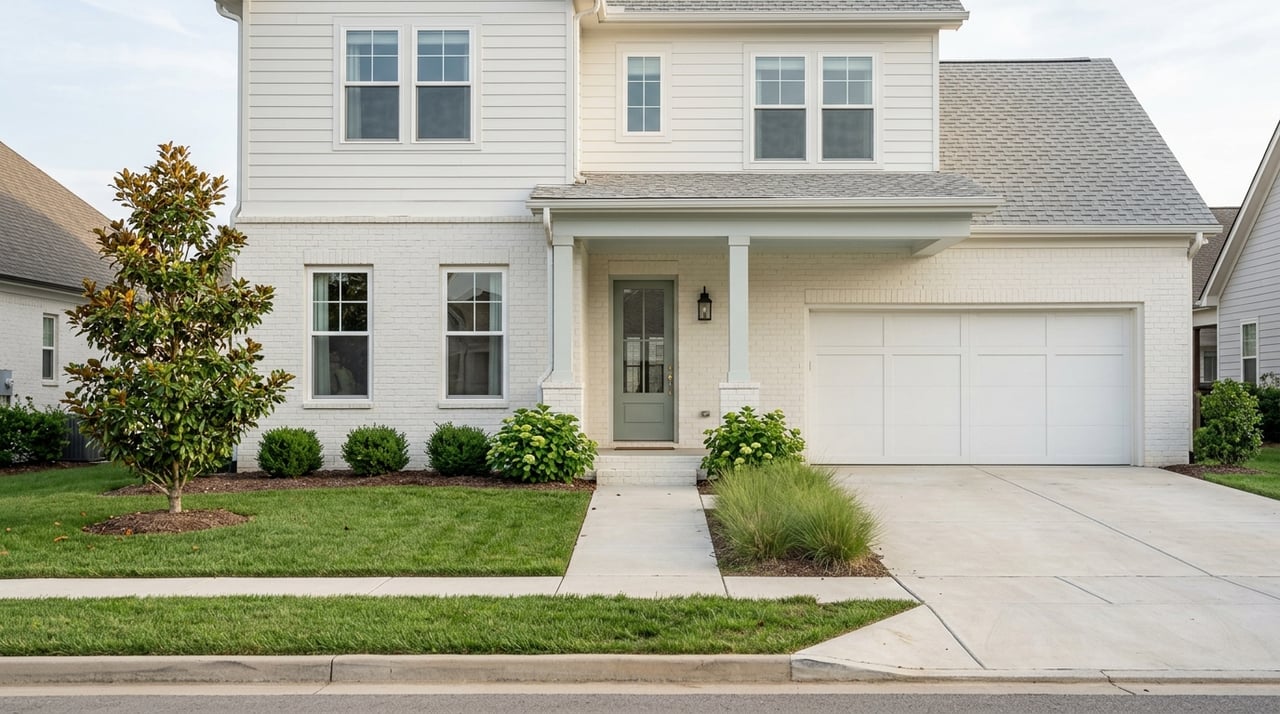
Thinking about buying a brand-new home in Greenville? You are not alone. With Greenville County growing from 525,534 residents in 2020 to 570,745 in 2024, new construction has become a major part of how the area is expanding. If you are trying to decide between a master-planned community, a smaller builder neighborhood, or an established in-town area, this guide will help you understand what to look for before you sign a contract. Let’s dive in.
Where Greenville new construction is growing
New construction in Greenville is closely tied to how the county plans for growth. Greenville County uses a planning framework built around Communities, Centers, and Corridors, and its Future Land Use Map is meant to guide growth and infrastructure investment rather than serve as a zoning map.
That matters because many new neighborhoods are showing up along major corridors and planned growth areas, not by accident, but as part of a larger development pattern. The county also notes that not all land is zoned, so rezoning can be part of the process for future subdivisions.
For you as a buyer, this means it helps to look beyond the home itself. You also want to understand whether the surrounding area is still evolving, what additional phases may be planned, and how nearby infrastructure could change over time.
Greenville communities offer different lifestyles
One of the biggest mistakes buyers make is assuming all new construction feels the same. In Greenville, the options vary widely in size, style, amenities, and overall setting.
Hartness offers a broad product mix
Hartness in Greenville is a 482-acre traditional neighborhood development with a wide range of housing types. The community includes cottages, village homes, estate homes, townhomes, live/work units, and flats.
Its amenities include a 180-acre Nature Preserve, 10 miles of trails, a Grand Lawn, a Village Center, a Sports Garden, and a pool complex. For buyers who want an amenity-rich setting with multiple home styles, Hartness shows how flexible new construction can be within one community.
Verdae blends housing and recreation
Verdae is a 1,100-acre master-planned community expected to include more than 950 homes at completion. Its neighborhoods include apartments, townhomes, luxury homes, retirement living, and Legacy Park, a 20-acre recreational centerpiece.
That mix can appeal to buyers who want a more established master-planned feel with different housing types in one larger area. It also reflects how Greenville new construction is often designed around lifestyle amenities from the start.
BridgeWay Station adds a walkable option
For buyers looking beyond the traditional subdivision format, BridgeWay Station in Simpsonville offers a different model. It is a multi-phase, walkable new town center with 190 residences ranging from studios to three-bedroom units, plus restaurants, shopping, and entertainment.
If you want a lower-maintenance lifestyle with everyday conveniences nearby, this type of development may deserve a closer look. It also highlights that in the Greenville area, “new construction” can mean much more than a detached single-family home.
Lot size often means product type
In Greenville-area new construction, your lot choice is often tied to the kind of home you want. Some communities offer compact, low-maintenance options, while others include larger homesites and estate-style homes.
Hartness is a good example. It includes homes under 1,000 square feet on the smaller end, along with estate houses on larger lots, plus townhomes and live/work units.
Bella Grove inside Hollingsworth Park offers another version of this. It is a custom cottage community with 1.5-story homes, maintenance-free lawns, and an approved builder group.
For you, this means the question is not just “How big is the lot?” It is also “What type of ownership, upkeep, and design flexibility comes with this home style?”
Community rules can shape your experience
New construction neighborhoods often offer more predictability, but that usually comes with more rules. Many Greenville-area communities use design standards, architectural guidelines, or builder approval processes.
At Hartness, final plans require ARB approval. In Bella Grove, buyers work within an approved builder group.
These rules are not necessarily a drawback. In many cases, they help create a cohesive streetscape and protect the overall look of the neighborhood. Still, before you move forward, you should understand what approvals are required for exterior changes, additions, landscaping, or even the home plan itself.
New construction timelines are not always fixed
A brand-new home can feel straightforward on paper, but the timeline often depends on several moving parts. In Greenville County, permits must be submitted through eTrakit, and the county says permit issuance is currently running about four to five weeks.
The county also requires a paid Greenville Water receipt for all new construction within the county. On top of that, utility coordination can affect timing, since Greenville Water serves the county water system and ReWa publishes standards for new sewer infrastructure.
This is one reason buyers should be cautious about assuming a completion date is final. Construction schedules can shift as permits, inspections, and utility approvals move through the system.
Greenville building activity remains steady
If you are wondering whether new construction is slowing down, Greenville County’s permit data suggests a steady pipeline. The county reported 2,344 new home permits in 2024 and 2,228 in 2025.
That does not mean every neighborhood will move at the same pace. It does mean new home building remains a meaningful part of the local market, which gives buyers a range of options across Greenville and nearby suburbs.
For relocation and move-up buyers, this steady activity can be a plus. You may have more opportunities to compare communities, floor plans, and timelines instead of feeling boxed into one choice.
South Carolina closings add another layer
In South Carolina, residential building requires a current license or registration. The state’s Supreme Court has also held that real estate and mortgage loan closings must be supervised by an attorney.
For you, that means a new-construction purchase is not just about choosing finishes and tracking build progress. You are also navigating builder paperwork, attorney-supervised closing work, and a process that may feel different from resale in other states.
This is especially important if you are relocating from outside South Carolina. Knowing the local process ahead of time can help you set better expectations and avoid surprises.
School assignment is worth checking early
If school assignment matters to your move, confirm it before you commit. Greenville County Schools says it is a choice district, but home-based assignments are still tied to the custodial address, and choice slots are limited.
The district also says it continues to experience growth from new residential development and has approved boundary changes for Reedy Laurel Elementary and other schools. In practical terms, this means you should verify the current assignment for the address and ask whether future boundary updates could affect your plans.
Even if you are excited about the home and neighborhood, this is not a detail to leave until the end. It is part of smart due diligence in a fast-growing area.
New construction versus established neighborhoods
For some buyers, the real question is not which new community to choose. It is whether new construction is the better fit compared with an established Greenville neighborhood.
Established in-town neighborhoods can offer older architecture and long-standing neighborhood character. Some are located within local preservation overlays or historic districts, including Hampton-Pinckney, Heritage, Overbrook, Pettigru, and West End, where boards and development rules can add another layer of oversight.
Inside city limits, all subdivisions are subject to the Greenville Development Code. That creates a different experience from a planned new neighborhood, where the streetscape, amenities, and exterior style are usually defined from the beginning.
If you value customization, lower immediate maintenance risk, and a more predictable amenity package, new construction may feel like the better fit. If you prefer older architecture and an established setting, an existing neighborhood may align better with your goals.
Questions to ask before signing
Before you write an offer on a new construction home in Greenville, make sure you can answer a few key questions.
- Is the community still being built out in phases?
- What approvals apply to exterior design or future changes?
- Which school assignment applies to the property today?
- Could school boundaries change as growth continues?
- What will permits, inspections, and utility coordination add to the timeline?
- Does the home type fit the level of maintenance you want?
These questions can help you compare neighborhoods more clearly. They can also help you avoid focusing only on finishes and upgrades while missing the bigger picture.
How to choose the right Greenville new build
The best new construction neighborhood for you depends on how you live. Your commute, timeline, maintenance preferences, comfort with community rules, and interest in amenities all matter.
Some buyers want a large master-planned setting with trails, parks, and multiple home styles. Others want a lower-maintenance home in a walkable mixed-use environment. Still others may decide an established neighborhood is the better long-term fit.
That is where local guidance becomes valuable. When you understand the development pattern, the contract process, the likely timeline, and the resale context, you can make a more confident decision.
If you are exploring Greenville new construction neighborhoods and want clear, local guidance on where to start, Linda O'Brien can help you compare communities, timelines, and home options with a practical eye toward your goals.
FAQs
What should you know about Greenville new construction timelines?
- Greenville County says permit issuance is currently running about four to five weeks, and timelines can also be affected by inspections, utility approvals, and required Greenville Water documentation.
What should you know about Greenville new construction community rules?
- Rules vary by neighborhood, and some communities require architectural review or use approved builder groups, so it is important to understand design standards before you sign.
What should you know about Greenville new construction lot choices?
- Lot choice often depends on product type, with options ranging from cottages and townhomes to estate-style homes on larger lots.
What should you know about Greenville school assignment for new homes?
- Greenville County Schools ties home-based assignment to the custodial address, choice slots are limited, and boundary changes can happen as the area grows.
What should you know about Greenville new construction versus older neighborhoods?
- New communities often offer more predictable amenities and design standards, while established neighborhoods may offer older architecture and a different review process, especially in historic districts.