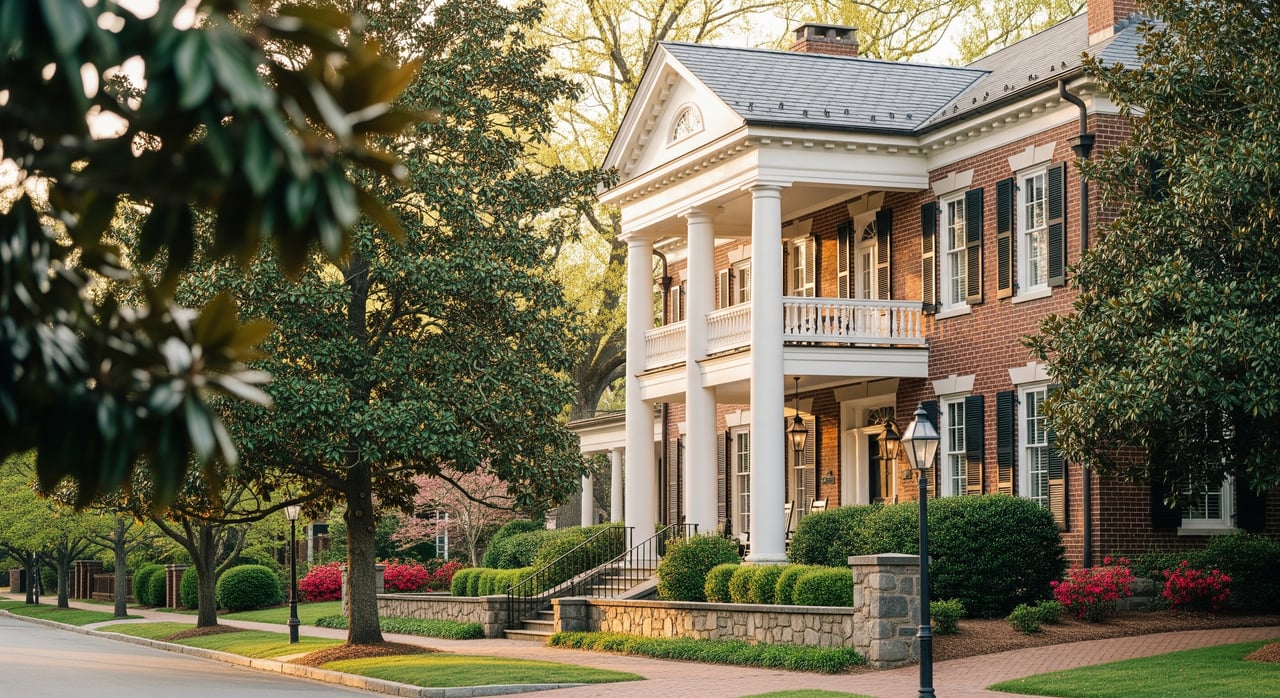
Love the idea of tree-lined streets, porch sitting, and a quick stroll to coffee or a park? If you are eyeing Greenville, you will hear a lot about its established in-town neighborhoods. These areas offer character and access that newer suburbs cannot always match. In this guide, you will learn what daily life feels like, the home styles you will see, how you will get around, and practical tips to decide if this lifestyle fits you. Let’s dive in.
What “established in-town” means in Greenville
When locals say “established in-town neighborhoods,” they mean older, pre-1970 areas within or just a few miles of downtown. You will find mature trees, sidewalks on many blocks, and compact, walkable streets. Homes range from late 19th-century to mid-20th-century designs, with some newer infill.
Examples include historic districts near downtown, mid-century pockets along the Augusta Road corridor, and neighborhoods to the west and northwest that have evolved from industrial or working-class roots. You also have areas close to major parks and greenways, including those near Falls Park, Cleveland Park, and the Swamp Rabbit Trail. The common thread is proximity to downtown restaurants, culture, and outdoor spaces.
Streetscape and home styles you will see
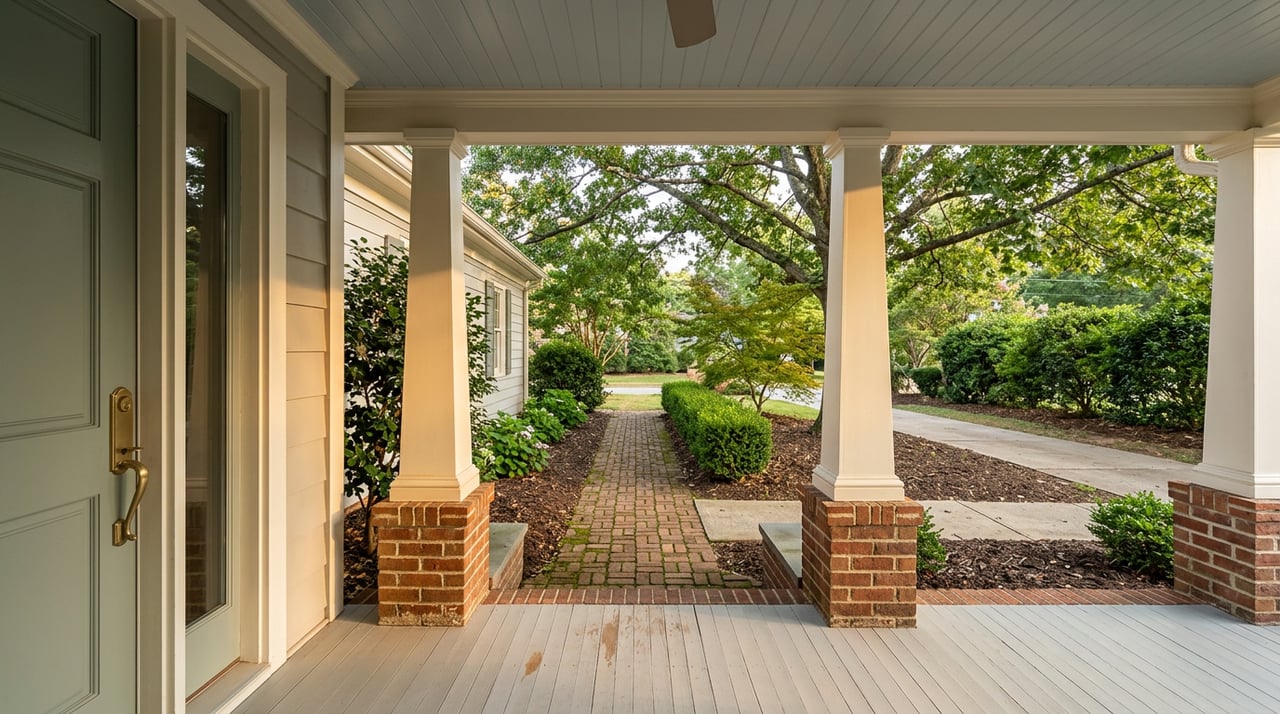
Expect a human-scale street grid with short blocks, sidewalks on many streets, and on-street parking. Front porches encourage neighborly chats, and the tree canopy offers shade in summer.
Housing spans several eras and looks:
- Late 1800s to early 1900s: Victorian, Queen Anne, and Craftsman bungalows near historic districts.
- 1920s to 1950s: Brick bungalows, Cape Cods, and minimal traditional homes in south and north corridors.
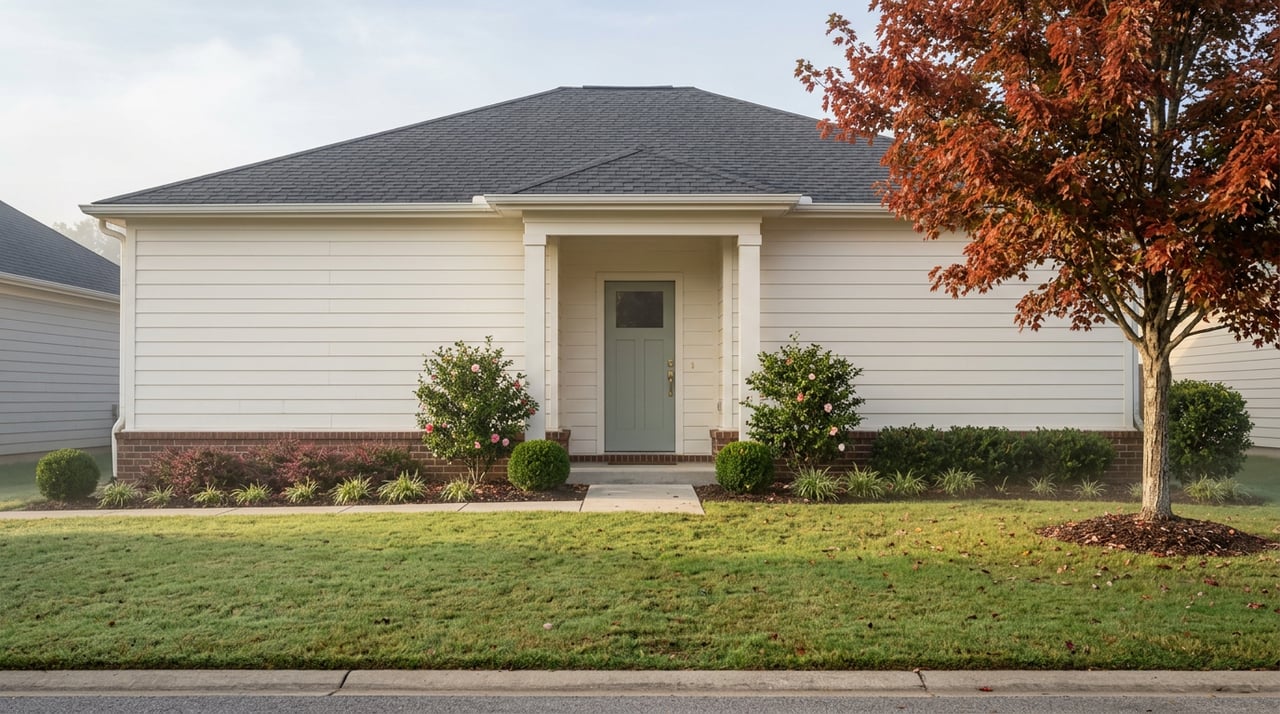
- Mid-century to recent infill: Renovations, additions, and occasional new builds on existing lots, plus some accessory dwellings or duplex conversions.
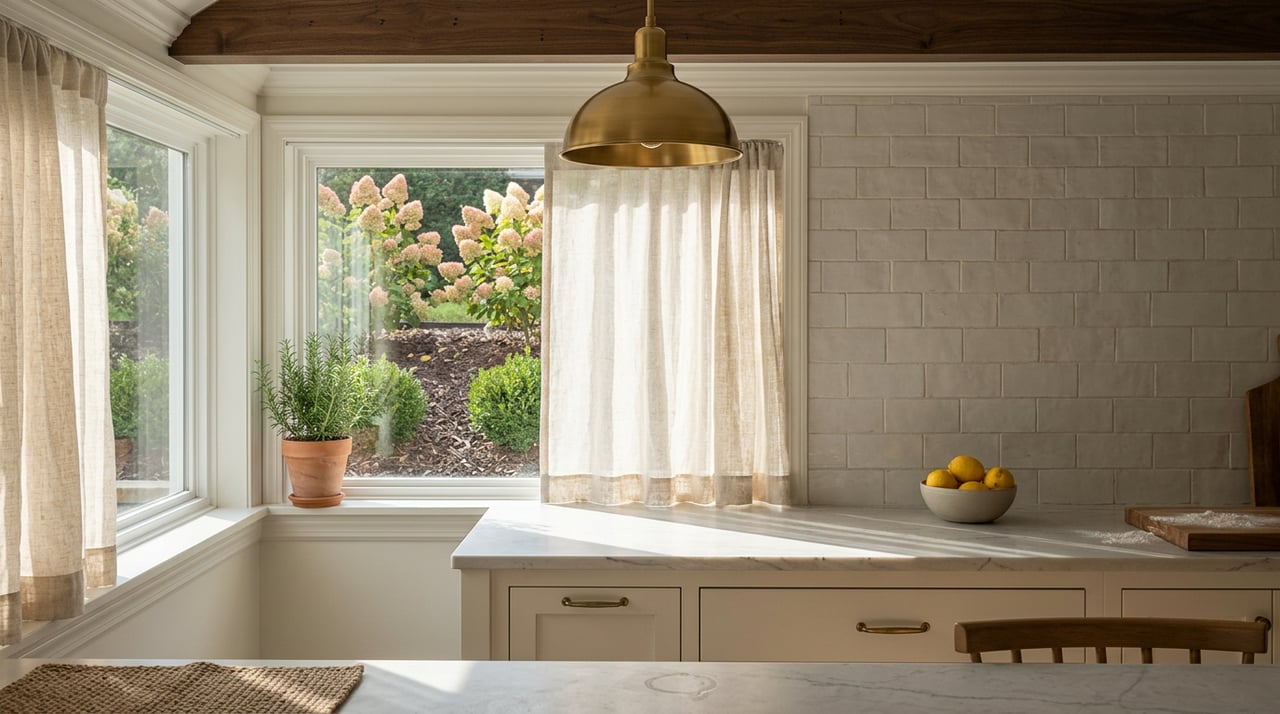
Many blocks have active renovation and selective infill. In historic districts, guidelines may limit exterior changes, which helps preserve curb appeal but can affect your plans for additions. If you love original details, you will find them here.
Buyer must-dos for older homes
- Get a thorough home inspection to assess mechanicals, roof, foundation, and insulation.
- Budget for updates and energy improvements if systems are older.
- Ask about drainage or stormwater history, especially on heavily treed lots.
- Review any historic or zoning rules that could affect remodels.
Parks, trails, and outdoor access
Living in-town puts you close to Greenville’s signature green spaces. Falls Park on the Reedy and Cleveland Park are frequent stops for morning walks, picnics, and playground time. The Swamp Rabbit Trail connects downtown to Travelers Rest and is a favorite for biking, jogging, and e-bikes. If you value quick access to parks and greenways, these neighborhoods deliver.
Getting around day to day
Walkability is a major draw. Close to Main Street and the West End, you can walk to dining, coffee, entertainment, and parks. Along corridors like Augusta Road and North Main, you will find neighborhood shops and services within a short drive or bike ride, though sidewalk continuity varies block by block.
The Swamp Rabbit Trail supports active commuting, and bike infrastructure is improving. Greenlink, Greenville’s bus system, serves downtown and many in-town streets. Service frequency varies by route, and many residents still rely on cars for jobs outside the core.
If you work downtown or nearby, door-to-door commutes are often short. Times can rise for jobs in outer suburbs or industrial parks. Test your drive during peak hours on your typical route and consider a backup plan using the trail, bike lanes, or transit.
Parking is typically on-street, with some homes having driveways or small garages. Expect tighter parking during big downtown events or popular evening hours.
Schools and daily services
Most in-town neighborhoods fall under Greenville County Schools, but attendance zones can cross neighborhood lines and change over time. Verify current zoning on district maps and review school report cards through the South Carolina Department of Education. Many families also consider private and parochial schools in and around the city, as well as a range of childcare options.
Daily services are close at hand. You will find grocery options downtown and in nearby corridors, plus clinics, physician offices, and larger hospitals within the city or a short drive. The ability to run errands on foot depends on the block, so check your specific address.
Weekday and weekend rhythm
On a typical weekday, you might bike to work, grab coffee along Main Street, and stop by a neighborhood market on your way home. Evening plans often include dinner in the West End, a quick gym trip, or a community meeting.
Weekends tend to revolve around the outdoors and local events. Falls Park and the Swamp Rabbit Trail draw morning walkers and cyclists. The downtown Saturday farmers market is a favorite stop in season. You might catch a Greenville Drive game at Fluor Field or a performance at the Peace Center. Many residents tackle home projects, enjoy porch time, or join block clean-ups.
Trade-offs to consider
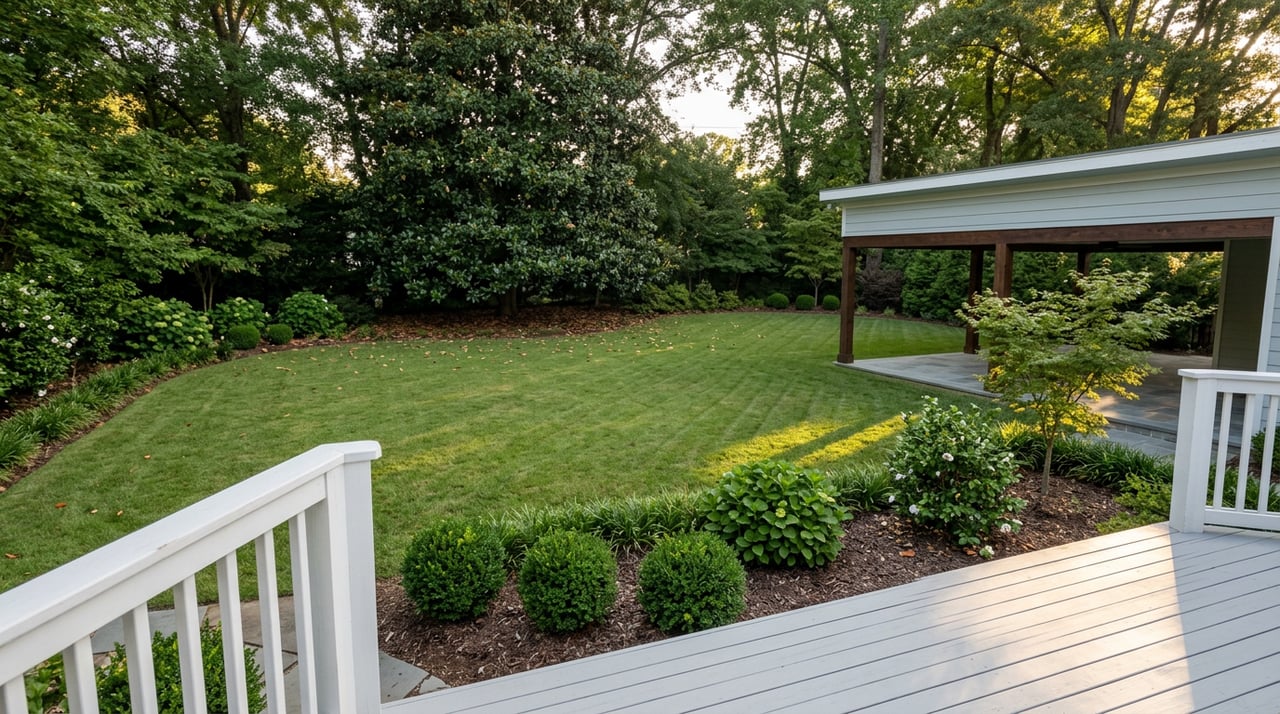
- Space vs. access: You gain character, walkability, and convenience but trade bigger yards and brand-new construction common in the suburbs.
- Maintenance: Older homes need ongoing care and occasional system upgrades.
- Parking and activity: On-street parking is common, and event nights can feel busy near downtown.
- Rules and permits: Historic or zoning guidelines can shape additions and exterior changes.
How pockets differ
Use this checklist to compare blocks you like:
- Walkability to downtown and parks
- Streetscape character and home styles
- Tree canopy and yard size
- Noise and activity level at different times of day
- Parking options on- or off-street
- Proximity to greenways and pocket parks
- Current school attendance zones
- Mix of residents by life stage
- Recent renovation or infill activity
Quick portraits of in-town pockets
Near Main Street historic districts
If you want the closest link to downtown dining, culture, and parks, these streets deliver high walkability and classic early-20th-century homes. Expect front porches, sidewalks, and consistent historic character. Activity levels can be higher on event nights.
Augusta Road corridor
South of downtown, you will see mid-century cottages, bungalows, and brick homes with neighborhood retail along the corridor. Walkability varies by block, but many errands are a quick drive or bike ride. Tree canopy is strong, with smaller to moderate yard sizes.
West Greenville and nearby emerging areas
Historically tied to industry, these neighborhoods have evolved with a mix of residential and commercial spots. You will find a blend of renovated homes and new infill. Proximity to downtown is close, with a growing selection of local eateries and studios.
Parks-adjacent streets near greenways
Blocks near Falls Park, Cleveland Park, and the Swamp Rabbit Trail offer easy access to outdoor recreation. Homes range from older bungalows to renovated mid-century houses. Weekend mornings are active with runners, cyclists, and families headed to the parks.
North Main and adjacent historic pockets
Expect leafy streets, early- to mid-20th-century homes, and a neighborhood feel with quick access to downtown. Some blocks have sidewalks and on-street parking, with activity levels that vary by proximity to dining and venues.
Smart next steps for buyers
- Walk and drive the block at morning, midday, and evening to gauge activity and street parking.
- Test your commute during rush hour and try a second route.
- Review any applicable historic district guidelines and zoning rules before planning a renovation.
- Order a full inspection and get estimates for likely upgrades on older systems.
- Confirm current school attendance zones and review official school reports.
- Connect with local neighborhood associations to learn about events, rules, and upcoming projects.
If you want a tailored game plan for Greenville’s established neighborhoods, reach out to a local guide who knows these streets well. For personal advice, listings that fit your lifestyle, and a clear path from search to closing, connect with Linda O'Brien.
FAQs
What defines an established in-town neighborhood in Greenville?
- Older, pre-1970 blocks within a few miles of downtown, with mature trees, walkable street grids, and a mix of historic and mid-century homes.
How walkable are these areas to dining and parks?
- Areas closest to Main Street and the West End offer high walkability to restaurants, shops, Falls Park, and the Swamp Rabbit Trail; walkability varies by block elsewhere.
What should I know about renovating a historic home?
- Expect design guidelines that can shape exterior changes in historic districts; plan early, review rules, and budget for system updates typical of older homes.
How do school zones work for these neighborhoods?
- Most are assigned through Greenville County Schools, with attendance zones that can cross neighborhood lines and change; verify the current zone for your address.
Is parking difficult in older Greenville neighborhoods?
- On-street parking is common, and driveways can be limited; it is usually manageable day to day but tighter during major downtown events.
What is the Swamp Rabbit Trail and why does it matter?
- It is a multiuse greenway connecting downtown to Travelers Rest, popular for walking, biking, and even short commutes, and a major quality-of-life perk for in-town living.