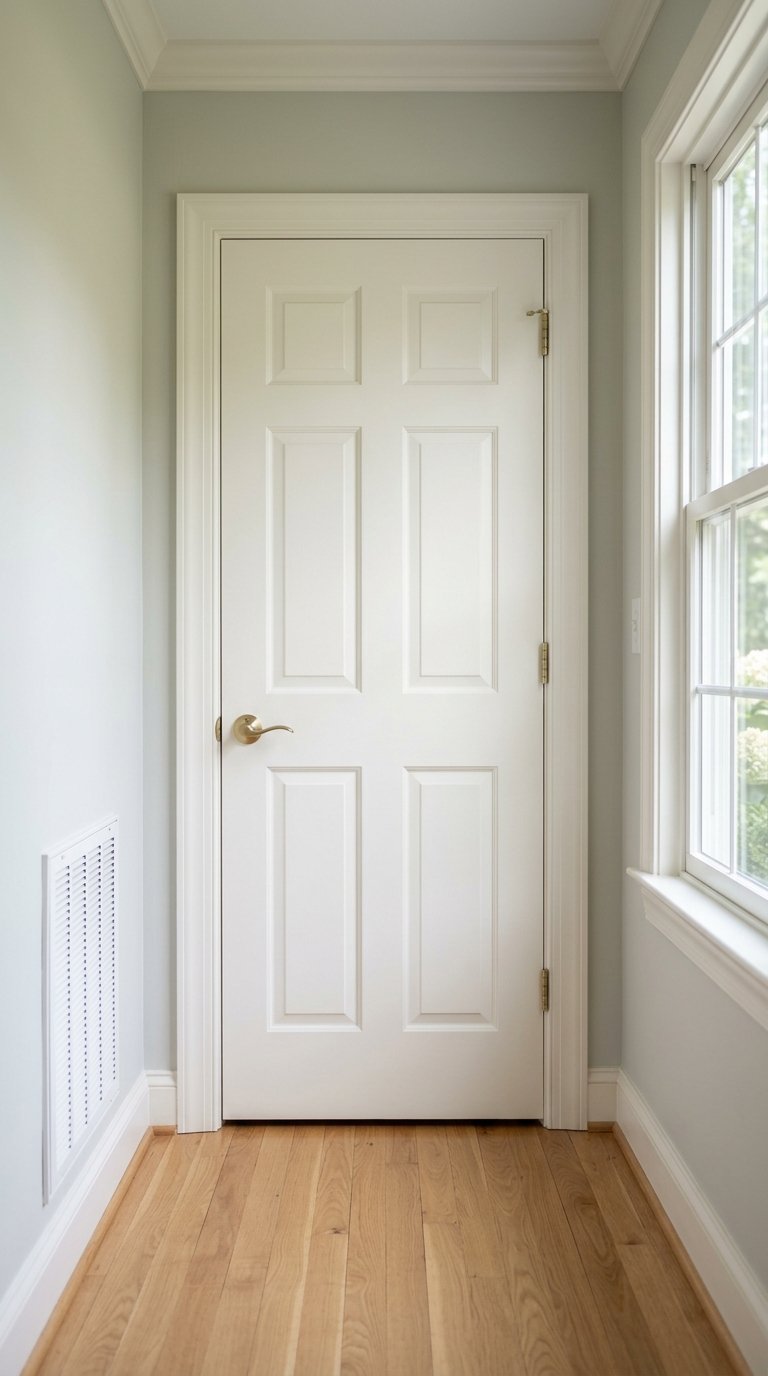
If you are getting ready to sell in Greer, it is easy to wonder where your money should go first. In a market where homes are selling close to asking price instead of far above it, buyers tend to notice condition issues quickly and negotiate accordingly. The good news is that you do not need to remodel everything to make a smart pre-listing plan. You just need to focus on the fixes that protect your sale, improve first impressions, and help your home feel move-in ready. Let’s dive in.
Why smart fixes matter in Greer
Greer is currently a more balanced market than the frenzy sellers saw in past years. According to Realtor.com’s Greer market overview, the median listing price is about $394,700, homes are selling at a 98% sale-to-list ratio, and homes sold for about 1.87% below asking on average in February 2026.
That matters because buyers have more room to compare homes and push back on condition. The same market overview also shows roughly 400 homes for sale in Greer, while broader local MLS trends reflected a 98.0% list-price-received rate and 71 days on market. In other words, your home still can sell well, but visible problems may cost you time, leverage, or both.
Buyer expectations have also shifted. The National Association of REALTORS® 2025 Remodeling Impact Report found that 46% of buyers are less willing to compromise on the condition of a home. That is why your best return often comes from fixing what feels broken or neglected, not from chasing every trendy upgrade.
Fix problems that can derail a sale
Before you think about paint colors or new fixtures, start with issues that are likely to show up in inspections or raise buyer concern. These are the repairs that can create financing problems, delay negotiations, or lead to credits and price reductions.
Address roof and gutter issues first
If your roof leaks, has missing shingles, or shows obvious wear, move that repair to the top of your list. HUD guidelines state that a roof should be in good condition and not leak, and Fannie Mae’s home inspection guidance notes that inspectors look for roof leaks, excessive wear, and missing shingles.
You should also pay attention to stained ceilings and failing gutters. Even if the actual repair is manageable, visible water-related damage can make buyers wonder what else has not been maintained. If the issue is active or obvious, fixing it before listing is usually the safer move.
Make sure HVAC works properly
Heating and cooling problems can become major sticking points during a sale. HUD says a home needs enough heat to stay comfortably warm in cold months and some working cooling or air circulation in warm months, while Fannie Mae says central heating and air systems are checked for proper function during inspections.
If your system struggles to cool certain rooms, makes unusual noises, or has not been serviced in a while, it is worth getting it checked. In Greer, buyers expect core systems to work well. A clean service report and a properly functioning unit can remove a major source of stress during due diligence.
Repair plumbing, windows, and safety hazards
Small defects can create big doubts when buyers tour your home. Fannie Mae’s inspection checklist includes plumbing leaks, windows that do not shut properly or keep out weather, and electrical function, while HUD flags broken or frayed wiring and other safety hazards.
That means you should fix dripping faucets, under-sink leaks, broken window latches, cracked panes, damaged outlets, and doors that do not close or lock correctly. These items may not feel dramatic, but buyers and inspectors notice them because they signal deferred maintenance.
Focus next on curb appeal
Once your home’s major systems and safety items are handled, turn your attention to the exterior. First impressions matter, especially in a balanced market where buyers may be touring several homes before making an offer.
Prioritize high-return exterior updates
If you are considering a visible upgrade, keep it practical. According to the South Atlantic 2025 Cost vs. Value report, a garage door replacement recouped 227.7% of cost, a steel entry door recouped 219%, and manufactured stone veneer recouped 197.2%.
Those are strong numbers because these projects improve first impressions without requiring a full renovation budget. For many Greer homes in the high-$300,000s to low-$400,000s, buyers are more likely to respond to a clean, polished exterior than to expensive custom upgrades.
Keep the outside clean and cared for
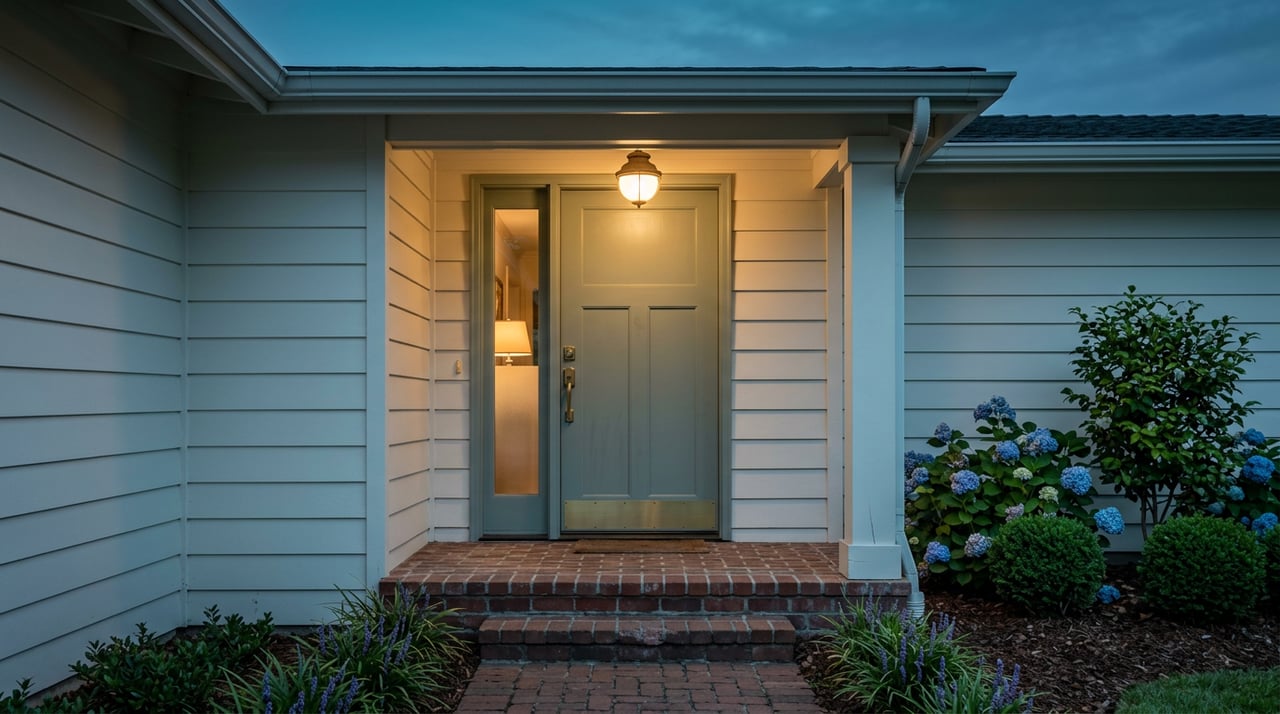
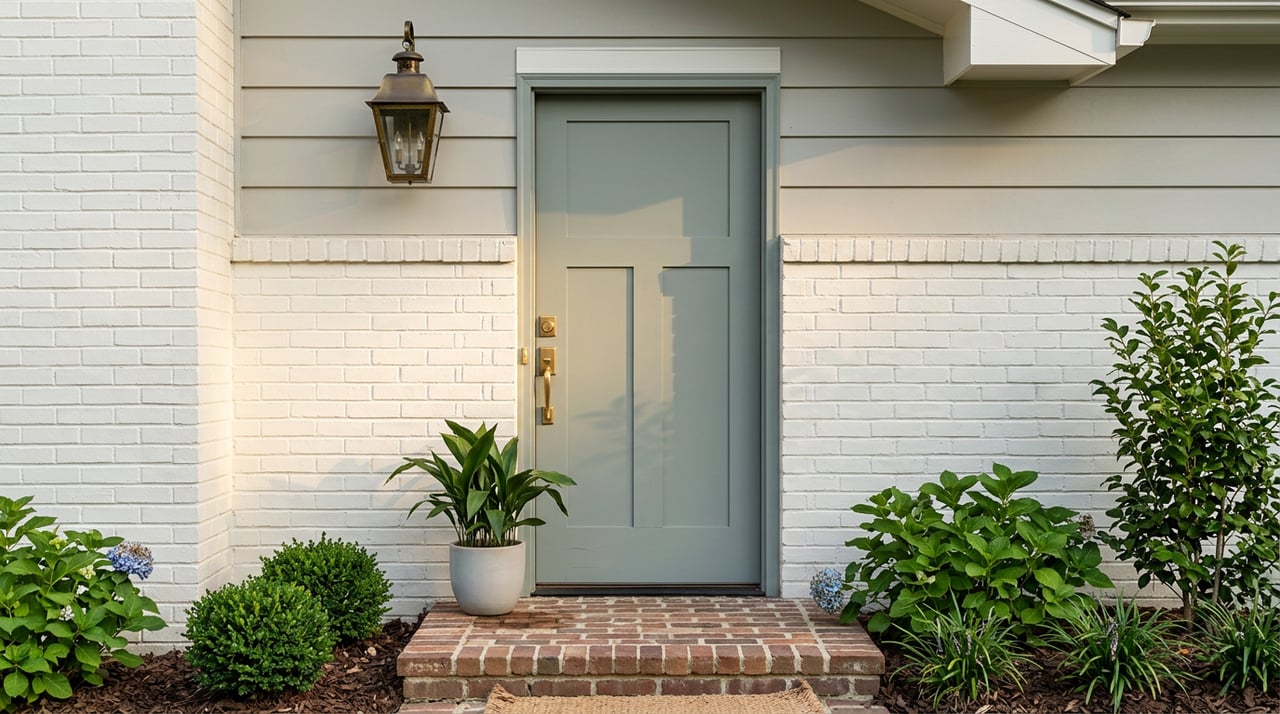
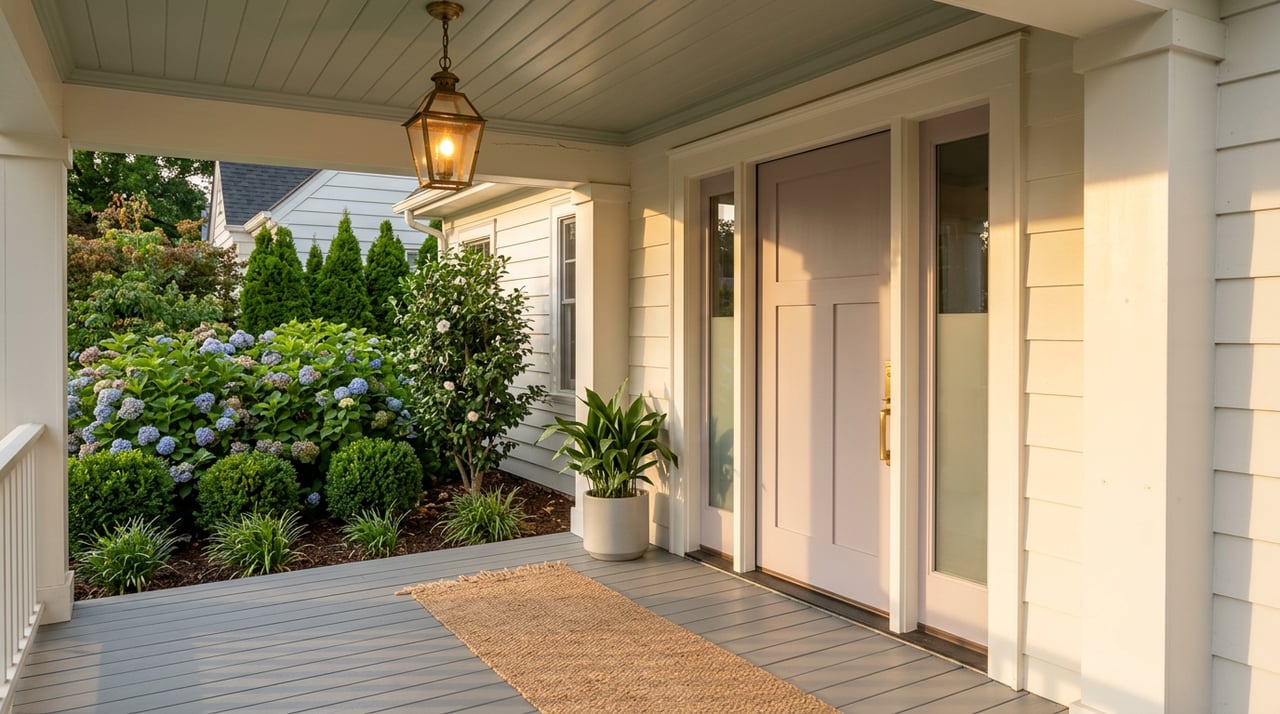
You do not always need a big project to improve curb appeal. A tidy yard, clean front entry, trimmed landscaping, and a freshly painted or well-maintained front door can help your home feel welcoming from the start.
This is also where basic maintenance matters. Loose gutters, peeling paint, or a worn mailbox may seem minor, but together they can change how buyers feel before they even step inside.
Use cosmetic updates strategically
After you fix true repair issues and sharpen curb appeal, look at low-cost cosmetic updates. These changes can help your home show better without sinking money into improvements that may not pay you back.
Fresh paint is often worth it
The NAR Remodeling Impact Report says REALTORS® most often recommend painting the entire home or painting one room before a sale. That advice fits well for Greer sellers because fresh paint makes a home feel cleaner, brighter, and more move-in ready.
If your walls are heavily marked, overly bold, or inconsistent from room to room, painting can be one of the simplest ways to improve presentation. Stick with a clean, neutral look that helps buyers focus on the space itself.
Clean up kitchens and baths without overdoing it
A full kitchen remodel is rarely the best first move before listing, but a modest refresh can still help. The South Atlantic Cost vs. Value data show that a midrange minor kitchen remodel recouped 109.2%, which is far stronger than major kitchen or bath overhauls.
In practice, that often means cleaning up grout, replacing worn hardware, touching up paint, fixing broken cabinet doors, and making the room feel orderly and functional. Buyers usually reward a kitchen or bath that looks clean and well-kept more than one loaded with expensive personal design choices.
Skip big projects unless they solve a real issue
One of the most common seller mistakes is spending too much on improvements that feel impressive but do not move the sale forward. In Greer, that can leave you over-improved for the market and still negotiating on price.
Be cautious with major kitchen and bath remodels
Large remodels often have much weaker resale performance than sellers expect. In the South Atlantic 2025 Cost vs. Value report, a major midrange kitchen remodel recouped 50.2%, an upscale major kitchen remodel recouped 35.5%, an upscale bath remodel recouped 41.4%, and a primary suite addition recouped 35%.
That does not mean these projects are never worthwhile. It just means they usually make more sense for your long-term enjoyment than for a near-term sale. If your goal is to list soon, smaller updates often make the better business decision.
Replace major systems only when needed
Elective replacements can also disappoint from a return standpoint. The same Cost vs. Value report shows 69.9% recoup for asphalt-shingle roof replacement, 56.5% for metal roof replacement, and 74.1% for HVAC conversion or electrification.
If your roof or HVAC is failing, leaking, or likely to trigger inspection objections, fixing or replacing it may absolutely be the right move. But if those systems are functioning and simply not brand new, a repair-first approach often makes more sense than a speculative upgrade.
Repair windows before replacing them
Window replacement is another area where sellers should be selective. The South Atlantic data show 82.6% recoup for vinyl window replacement and 71.5% for wood windows, which is respectable but not automatic.
If a window is broken, leaking, or clearly nonfunctional, repair it. If your windows are older but working properly, you may be better off making sure they open, close, and present well rather than replacing every unit before listing.
Build a practical Greer seller checklist
If you want a simple framework, think in this order:
- Fix leaks, system failures, and safety concerns.
- Improve curb appeal and visible exterior condition.
- Handle affordable cosmetic cleanup, especially paint and minor touch-ups.
- Consider larger projects only if they solve a clear problem.
This approach matches what buyers are likely to notice first and what inspectors are likely to flag. It also helps you spend where it counts instead of overinvesting in features the market may not fully reward.
Consider a pre-list inspection or walk-through
If you are unsure what to fix, a pre-list inspection or contractor walk-through can give you clarity. According to Fannie Mae’s home inspection overview, inspections routinely review roofs, heating, central air, windows, plumbing, electrical, and structural items.
That information can help you decide what should be repaired, what can be disclosed, and what may simply need to be priced into the listing. It can also reduce surprises once you are under contract, which often leads to smoother negotiations.
The right pre-listing plan is not about making your home perfect. It is about making smart, strategic decisions that protect your value and help buyers feel confident when they walk through the door.
If you are preparing to sell in Greer and want help deciding what is worth fixing before you list, Linda O'Brien can help you build a practical plan based on your home, your timeline, and today’s market conditions.
FAQs
What should Greer sellers fix first before listing a home?
- Greer sellers should start with leaks, roof issues, HVAC problems, plumbing defects, broken windows, and electrical or safety concerns because those are the issues most likely to affect inspections and buyer confidence.
Should Greer sellers remodel the kitchen before selling?
- Greer sellers usually do better with a minor kitchen refresh than a major remodel, since small updates tend to offer stronger resale performance than large, expensive renovations.
Are roof repairs important before listing a home in Greer?
- Yes. If the roof leaks, has missing shingles, or shows visible damage, fixing it before listing can help prevent inspection concerns and reduce buyer objections.
What cosmetic updates matter most for Greer home sellers?
- Fresh paint, basic touch-ups, clean exterior presentation, and a polished front entry often matter most because they improve first impressions without requiring a large budget.
Should Greer sellers get a pre-list inspection?
- A pre-list inspection or contractor walk-through can be very helpful because it shows which issues may come up during a buyer’s inspection and helps you decide what to repair before listing.